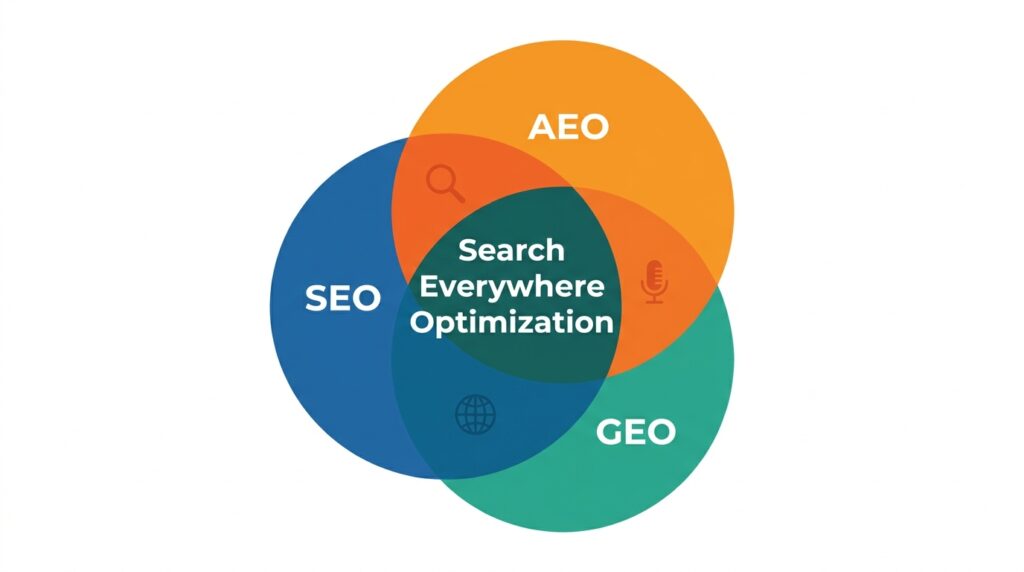

Introduction: Setting the Stage for a Successful Business Website
A powerful business website serves as the digital storefront for modern companies, enabling them to reach a wider audience and establish a strong online presence. The introduction of this article will focus on the importance of setting the stage for a successful business website.
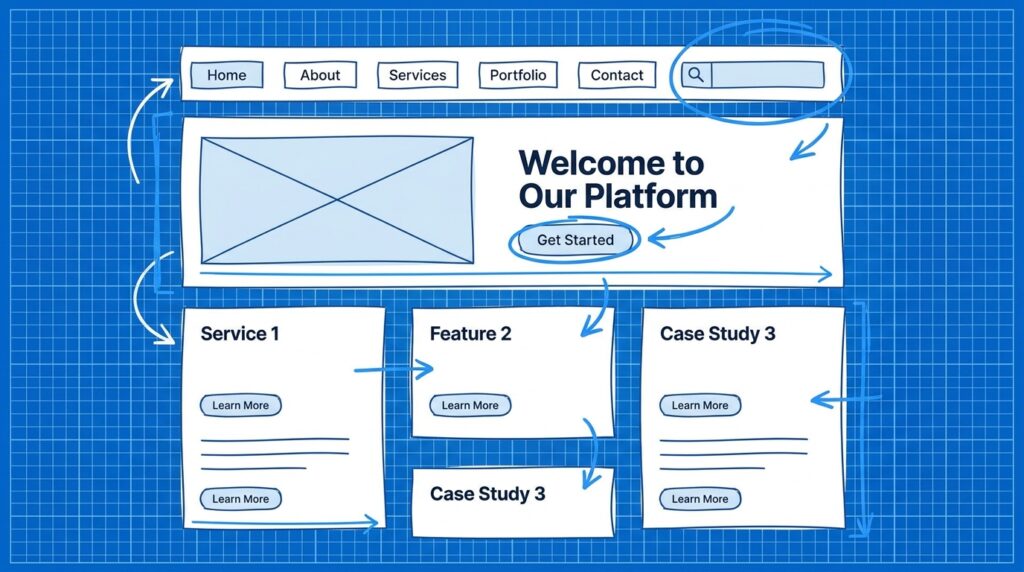
- First Impressions Matter: The first impression a visitor has when landing on a business website is crucial. A well-designed website with clear branding, easy navigation, and visually appealing elements creates a positive impression and encourages visitors to explore further.
- User-First Approach: A successful business website prioritizes the needs of its users. By considering the audience’s preferences, behaviors, and expectations, the website can offer a seamless user experience, making it easy for visitors to find the information or products they seek.
- Responsive Design: With the increasing use of mobile devices, ensuring a responsive design is essential. A website that adapts to different screen sizes and provides a consistent browsing experience across devices helps retain visitors and eliminates frustration caused by distorted layouts or slow loading times.
- Clear and Compelling Content: Engaging and informative content is vital to capture and retain the interest of visitors. Clearly conveying the business’s value proposition, highlighting key products or services, and providing relevant and concise information will ensure that visitors stay engaged and feel confident in their decision to explore further.
- Search Engine Optimization (SEO): A website that is optimized for search engines can significantly improve its visibility and organic traffic. Considering SEO factors like keyword research, meta tags, site structure, and quality content can help the business website rank higher in search engine results and attract targeted visitors.
Setting the stage for a successful business website involves creating a visually appealing and user-friendly design, providing engaging and informative content, ensuring responsiveness across devices, and optimizing for search engines. With these factors in place, businesses can be well-positioned to attract and engage their target audience, leading to increased success in the online realm.
User-Friendly Design and Navigation
A powerful business website should prioritize a user-friendly design and navigation. This means creating a website that is visually appealing, easy to navigate, and intuitive for visitors. A well-designed website will make a positive first impression and encourage users to explore further. Key features to consider for user-friendly design and navigation include:
- Clear and intuitive layout: A clean and organized layout ensures that visitors can easily find the information they need. Clear headings, subheadings, and sections help users navigate through the content effortlessly.
- Responsive design: With the increasing use of mobile devices, it is crucial to have a website that adapts seamlessly to various screen sizes. A responsive design ensures that your website looks great and functions well on devices such as smartphones and tablets.
- Fast loading time: Slow-loading websites can be frustrating for visitors, leading to a higher bounce rate. Optimizing images, minimizing code, and using caching techniques are effective ways to enhance loading speed and provide a seamless browsing experience.
- Intuitive navigation menu: A well-structured navigation menu makes it easy for visitors to find their way around your website. Use clear and concise labels for menu items, and consider including drop-down menus for subpages or sections to provide a logical and organized navigation experience.
- Search functionality: Implementing a search bar allows users to quickly search for specific information within your website. This can be particularly useful for businesses with a large amount of content or product catalogs, saving users time and effort.
- Consistent branding: Maintain consistent branding throughout your website to create a cohesive and professional look. Use consistent colors, fonts, and design elements to reinforce your brand identity and build trust with your audience.
By prioritizing user-friendly design and navigation, your business website will provide a positive user experience, encourage visitors to stay longer, and increase the likelihood of conversions. Remember, a website that is easy to use and visually appealing can make a significant impact on your business’s online presence.
2. Clear and Compelling Branding
A powerful business website should have clear and compelling branding to make a lasting impression on visitors. Here are some key elements to consider:
- Logo and Colors: The website should prominently display your company’s logo, which acts as a visual representation of your brand. Choose colors that align with your brand identity and use them consistently throughout the site.
- Visuals and Imagery: High-quality and relevant visuals can help to capture visitors’ attention and convey your brand’s personality. Use images, videos, and graphics that reflect your brand values and resonate with your target audience.
- Typography: Select fonts that are easy to read and align with your brand’s tone and style. Consistency in font usage throughout the website enhances brand recognition and professionalism.
- Brand Messaging: Craft compelling and consistent messaging that conveys your unique value proposition and resonates with your target audience. Clearly communicate the benefits of your products or services, and differentiate your brand from competitors.
- Brand Storytelling: Share your brand’s story to create an emotional connection with visitors. Highlight your mission, values, and any compelling anecdotes that make your business stand out.
- Consistency: Ensure that your branding elements are consistently applied across all pages of your website. This includes using the same logo, colors, typography, and tone of voice throughout.
Remember, your branding should be memorable, authentic, and aligned with your target audience. A strong brand identity will help you establish trust, engage visitors, and differentiate your business from competitors.
Valuable and Engaging Content
One of the most crucial elements of a powerful business website is valuable and engaging content. A website that provides useful and relevant information to its audience is more likely to attract and retain visitors.
To create valuable content, businesses should focus on understanding their target audience and their needs. By conducting market research and audience analysis, companies can identify the topics and issues that are most important to their potential customers. This will allow them to create content that addresses these needs and provides practical solutions.
Engaging content is essential for capturing the attention of website visitors and keeping them interested. To achieve this, businesses should strive to create content that is well-written, visually appealing, and easy to navigate. Including multimedia elements such as images, videos, and infographics can also help make the content more engaging.
Furthermore, using storytelling techniques can help to create a connection with the audience and evoke emotions. By telling relatable stories or sharing real-life examples, businesses can make their content more memorable and impactful.
In addition to the substance of the content, it is important to keep it updated regularly. Outdated or stale content can give the impression that the business is not actively maintaining and caring for their website. Regularly adding fresh, relevant, and up-to-date content can help to establish the website as a reliable and authoritative source of information.
Ultimately, valuable and engaging content is key to attracting and retaining visitors to a business website. By providing useful information that addresses the needs of the target audience in an engaging manner, businesses can build trust and credibility, establish themselves as industry leaders, and keep visitors coming back for more.

4. Mobile Compatibility and Responsiveness
In today’s rapidly evolving digital landscape, having a mobile-friendly website is no longer a luxury but a necessity. With the majority of internet users accessing websites through their smartphones and tablets, it is crucial for businesses to ensure their websites are optimized for mobile devices.
Mobile compatibility refers to the ability of a website to function seamlessly on various mobile devices, regardless of screen size or operating system. A mobile-friendly website ensures that users can easily navigate, interact, and find valuable information without any hindrance.
Mobile responsiveness takes mobile compatibility a step further by dynamically adjusting the website layout and design to provide an optimal viewing experience across different devices. This means that regardless of whether a user accesses the website from a smartphone, tablet, or desktop computer, the website will automatically adapt to fit the screen size and resolution, providing a visually appealing and user-friendly experience.
The importance of mobile compatibility and responsiveness cannot be overstated. A website that is not optimized for mobile devices can lead to a poor user experience, high bounce rates, and lower search engine rankings. On the other hand, a mobile-friendly and responsive website has numerous benefits, such as improved user engagement, increased conversion rates, and better search engine visibility.
To ensure mobile compatibility and responsiveness, businesses should consider implementing the following practices:
- Responsive design: Adopt a responsive design approach, which uses CSS media queries to adjust the layout and content based on the user’s screen size. This ensures that the website is accessible and functional on any device.
- Mobile-first approach: Design and develop the website with a mobile-first mindset. This involves prioritizing the mobile user experience during the design process and then scaling up to larger screens.
- Fast loading times: Optimize the website’s loading speed for mobile devices. Mobile users expect quick and seamless browsing experiences, so reducing page load times is essential.
- Touch-friendly elements: Make sure the website’s navigation and interactive elements are touch-friendly for mobile users. This includes using appropriately sized buttons and ensuring that menus and forms are easy to navigate and interact with on a smaller screen.
- Test across devices: Regularly test the website across different devices and screen sizes to ensure that it appears and functions correctly on all platforms.
By prioritizing mobile compatibility and responsiveness, businesses can provide a seamless and enhanced user experience across all devices, ultimately leading to increased user engagement, customer satisfaction, and business growth.
5. Effective Call-to-Actions
An effective call-to-action (CTA) is a crucial element of a powerful business website. It encourages visitors to take specific actions that align with your business goals. Here are five key factors to consider when creating effective CTAs for your website:
- Clear and Concise Language: A well-designed CTA should use clear and concise language to convey the desired action. Avoid ambiguity and be specific about what you want visitors to do, whether it’s signing up for a newsletter, making a purchase, or contacting your business.
- Placement and Visibility: CTAs should be strategically placed on your website to ensure maximum visibility. Consider placing them near important information or at the end of relevant content to capture the visitor’s attention when they are most likely to convert.
- Compelling Design: A visually appealing CTA with contrasting colors, attention-grabbing buttons, and concise text can significantly increase the chances of conversion. Utilize design elements that align with your brand while ensuring the CTA stands out on the page.
- Urgency and Scarcity: Create a sense of urgency or scarcity to motivate visitors to act immediately. Incorporate words or phrases that convey time-limited offers or limited availability to prompt visitors to take action without delay.
- Testing and Optimization: Continuous testing and optimization are crucial for improving the effectiveness of your CTAs. Conduct A/B testing to compare different versions of your CTAs and analyze the data to identify what resonates best with your target audience.
Remember, an effective CTA should compel visitors to take action, guide them through the customer journey, and ultimately drive conversions on your business website. By implementing these strategies, you can create CTAs that are enticing, impactful, and highly effective in achieving your business objectives.
6. Social Media Integration
In today’s digital age, social media integration is a must-have feature for any powerful business website. By integrating social media platforms seamlessly into the website, businesses can expand their online presence, reach a wider audience, and engage with their customers more effectively.
Some key benefits of social media integration include:
- Increased visibility: Social media integration allows businesses to leverage the popularity of platforms like Facebook, Twitter, Instagram, and LinkedIn to increase their online visibility. By seamlessly linking their website with their social media profiles, businesses can drive traffic to their website from social media platforms and attract potential customers.
- Enhanced customer engagement: Integrating social media feeds, sharing buttons, and comment sections into the website enables customers to interact with the business directly. This integration fosters a two-way communication channel, allowing businesses to address customer inquiries, receive feedback, and build stronger relationships with their audience.
- Wider reach: Social media integration enables businesses to tap into the vast user base of various social media platforms. By sharing website content on social media, businesses can extend their reach beyond their website visitors, allowing their content to be shared and discovered by a larger audience. This ultimately helps in boosting brand awareness and generating new leads.
- Improved brand consistency: Social media integration ensures that the brand identity and messaging are consistent across all platforms. By displaying social media icons or live feeds on the website, businesses create a cohesive online presence that reinforces their brand identity and values.
- Social proof: Integrating social media feeds or showcasing social media followers and reviews on the website helps establish social proof. Customers often seek validation from their peers or social media influencers before making a purchase decision. By integrating social media content, businesses can showcase positive reviews, testimonials, and user-generated content, which can build trust and credibility among potential customers.
In conclusion, integrating social media into your business website is essential for leveraging the power of online platforms. It not only helps in increasing visibility, but also enhances customer engagement, extends reach, maintains brand consistency, and establishes social proof. By incorporating social media integration into your website, you can effectively connect with your audience, expand your online presence, and drive business growth.
7. Search Engine Optimization (SEO) Strategies
Implementing effective search engine optimization (SEO) strategies is crucial for the success of any business website. Here are seven essential SEO strategies to consider:
- Keyword research: Conduct thorough keyword research to identify the terms and phrases that your target audience is searching for. Use these keywords strategically throughout your website’s content and metadata.
- Optimized website architecture: Ensure your website is well-organized and easy to navigate. A clear and logical website structure helps search engines understand the content and improve user experience.
- Quality content: Create high-quality, relevant, and engaging content that provides value to your audience. Regularly update your website with fresh content to attract search engine attention.
- Meta tags and descriptions: Optimize your meta tags and descriptions with relevant keywords to improve search engine visibility and click-through rates. Craft compelling meta descriptions to entice users to click through to your website.
- Optimized images: Use descriptive file names and alt tags for your images to help search engines understand their content. Compressed images enhance website loading speed and improve user experience.
- Mobile optimization: Ensure your website is mobile-friendly and responsive. With the majority of internet users accessing websites through mobile devices, mobile optimization is essential for both user experience and search engine rankings.
- Link building: Develop a strong backlink profile by acquiring high-quality backlinks from reputable websites. Building backlinks improves your website’s authority and visibility in search engine results.
By implementing these SEO strategies, your business website will have a better chance of ranking higher in search engine results, increasing visibility, and attracting organic traffic. Stay updated with the latest SEO trends and algorithms to ensure your website remains optimized and competitive in the online landscape.
8. Secure and Trustworthy
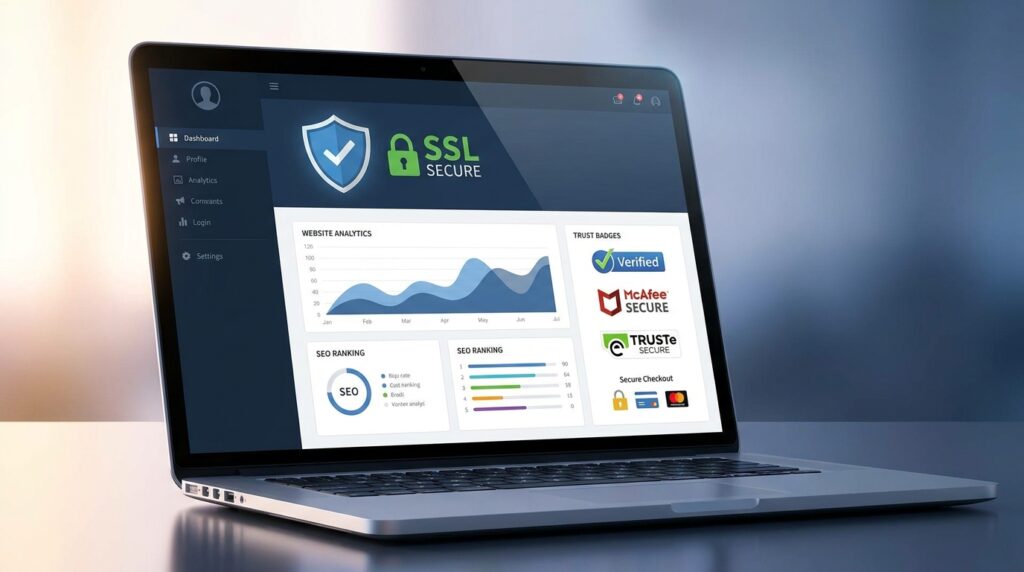
In today’s digital landscape, ensuring the security and trustworthiness of a business website is paramount. Customers want to feel confident that their personal information is protected and that they can trust the company with their transactions. Here are some must-have features for a secure and trustworthy website:
- SSL Certificate: Implementing an SSL certificate is essential for encrypting data transmitted between the website and users, ensuring that sensitive information remains secure.
- Secure Payment Gateways: If your website accepts online payments, integrating secure payment gateways, such as PayPal or Stripe, is crucial. These trusted platforms provide an extra layer of security during transactions.
- Privacy Policy and Terms of Service: Clearly stating the privacy policy and terms of service on your website gives visitors confidence that their data will be handled responsibly and ethically.
- Regular Backup and Updates: Regularly backing up your website and keeping it up to date with the latest security patches and software updates is key to safeguarding against potential vulnerabilities.
- Strong Passwords and User Authentication: Implementing strong password requirements and user authentication measures adds an extra layer of security, protecting sensitive user accounts from unauthorized access.
- Website Firewall: Utilizing a web application firewall (WAF) can help detect and block malicious traffic, protecting your website from various online threats and attacks.
- Trust Seals and Badges: Displaying trust seals and badges from reputable security organizations, such as Norton Secured or McAfee Secure, can instill trust in your visitors and demonstrate your commitment to website security.
- Secure Hosting: Choosing a reliable and secure hosting provider is crucial for the overall security of your website. Look for providers that offer robust security measures, like SSL support, firewalls, and intrusion detection systems.
By prioritizing the security and trustworthiness of your business website, you not only protect your customers’ data but also maintain a positive reputation and build long-lasting relationships based on trust and reliability.
Conclusion: Building a Strong Foundation for Your Business Website
In conclusion, building a strong foundation for your business website is essential for its success and effectiveness. By incorporating the must-have features outlined in this article, you can ensure that your website is user-friendly, visually appealing, and optimized for search engines.
First and foremost, prioritize responsive design to make sure your website functions properly on all devices. This will enhance the user experience and increase your website’s visibility on search engine result pages.
Next, focus on creating clear and compelling content that effectively communicates your brand message and engages your target audience. High-quality images, videos, and interactive elements can also enhance user engagement and make your website more memorable.
Optimizing your site for search engines is crucial for increasing organic traffic. By conducting keyword research, optimizing meta tags, and regularly updating your website with fresh, relevant content, you can improve your website’s visibility and attract more potential customers.
Effective navigation and a well-organized structure are vital for ensuring that visitors can easily find the information they are looking for. Incorporate user-friendly menus, intuitive navigation bars, and strategically placed calls to action to guide users through your website and encourage them to take action.
Lastly, prioritize website security to protect your business and customer data from potential threats. Implement SSL certificates, regular backups, and secure payment gateways to build trust with your visitors and protect their sensitive information.
By incorporating these must-have features into your business website, you can establish a solid foundation that will support your online presence and help you achieve your business goals. Remember, your website is a powerful tool, and investing the time and resources into creating a strong foundation will pay off in the long run.